
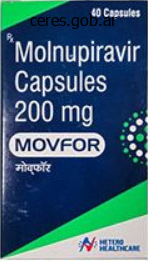
General Information about Molvir
Molnupiravir, also referred to as EIDD-2801, is an oral antiviral therapy that has been gaining attention in current months as a possible remedy for COVID-19. Developed by Ridgeback Biotherapeutics in collaboration with Merck & Co., Molnupiravir is at present in section three medical trials and has proven promising leads to early studies.
Furthermore, in vitro studies have proven that Molnupiravir is effective against a number of variants of SARS-CoV-2, including the highly transmissible Delta variant. This provides hope that Molnupiravir could be a priceless device in the struggle in opposition to COVID-19, even because the virus continues to mutate and new variants emerge.
Molnupiravir is essential as a end result of it's an oral treatment, meaning it can be taken at residence and doesn't require hospitalization or intravenous administration. This could probably be a game-changer within the administration of COVID-19, because it may help reduce the burden on healthcare systems and make therapy more accessible to a larger population.
In conclusion, Molnupiravir is a promising oral antiviral treatment for COVID-19 that has shown promising leads to early studies. If confirmed safe and efficient, it might be a useful addition to the prevailing arsenal of therapies for COVID-19, significantly within the early phases of the illness. However, further studies and regulatory approvals are still needed earlier than it can be widely obtainable to the basic public. Until then, it is important to proceed following public health measures such as sporting masks and getting vaccinated to help management the unfold of the virus.
Molnupiravir is a prodrug, that means that it is inactive till it enters the body and is converted into its active kind. Once contained in the body, it is converted into its active form, EIDD-1931, which works by focusing on an enzyme referred to as RNA-dependent RNA polymerase (RdRp). RdRp is essential for viruses to copy their genetic materials, and by inhibiting its exercise, Molnupiravir can doubtlessly stop the virus from replicating and spreading.
What do early research show?
If the EUA is granted, Molnupiravir might probably be obtainable for use within the remedy of COVID-19 as early as the end of this year. Merck has also entered into agreements with a number of nations, together with the US, UK, and Australia, for the availability of Molnupiravir, should it obtain regulatory approval.
Conclusion
What is Molnupiravir?
Molnupiravir is presently in section three clinical trials, which are being carried out in a quantity of countries, together with the US, UK, and Brazil. The trials aim to enroll approximately 1,850 non-hospitalized patients with early signs of COVID-19. The outcomes of these trials are expected to be out there within the coming months, and if the drug is proven to be safe and efficient, Merck plans to submit an Emergency Use Authorization (EUA) utility to the US Food and Drug Administration (FDA).
Why is Molnupiravir important within the struggle against COVID-19?
Molnupiravir is an experimental antiviral drug that works by introducing errors into the genetic material of viruses, in the end resulting in their demise. It was initially developed for the remedy of influenza, however its broad-spectrum activity in opposition to a number of forms of viruses, including coronaviruses, makes it a promising candidate for the remedy of COVID-19.
How does it work?
Current standing and potential timeline
Early studies have proven promising outcomes for Molnupiravir in the remedy of COVID-19. In a phase 2a research, patients who acquired Molnupiravir within 5 days of symptom onset had a significantly shorter time to viral clearance compared to those that obtained placebo. Another examine in ferrets, a species that is recognized to be susceptible to SARS-CoV-2, showed that Molnupiravir decreased the quantity of virus in the animals’ nostril and lungs, and prevented transmission to naive animals.
The stent is placed between the hepatic vein and the portal vein, dilated to 10 to 12 mm, and the portal-to-right atrial pressure gradient is reduced to less than 10 mm Hg. Central surgical shunts were not popularized until the 1940s, when Whipple, Blakemore, and colleagues at the Presbyterian Hospital in New York successfully used central shunts in the treatment of variceal bleeding. Even nowadays, portosystemic surgical shunts remain a viable option for long-term bridge to transplant in carefully selected patients with preservation of hepatic reserve and for those who fail medical management. Complete or near-complete diversion of the portal flow to the vena cava via portacaval, mesocaval, or proximal splenorenal shunts are generally avoided due to the high rates of encephalopathy and liver failure with these total shunts. Partial shunts, including small-diameter shunts, H-shunts, and graft shunts, maintain a portion of portal flow to the liver and have been used successfully by some groups, with rebleeding rates in the 5% to 10% range. Because some portal perfusion is preserved, encephalopathy rates are lower with partial shunts than total shunts. Due to the smaller diameter and higher resistance through partial shunts, shunt thrombosis occurs in up to 23% of cases. Selective shunts selectively decompress gastroesophageal varices while maintaining portal pressures in the splanchnic-to-portal axis, thereby maintaining portal flow. Access to the pancreas is obtained through the lesser sac, taking down the gastroepiploic vessels from the pylorus to the short gastric veins-this also serves as part of the portal/azygos disconnection.
Molvir Dosage and Price
Movfor 200mg
- 40 caps - $236.80
- 80 caps - $399.60
- 120 caps - $562.40
- 160 caps - $725.20
- 200 caps - $888.00
