
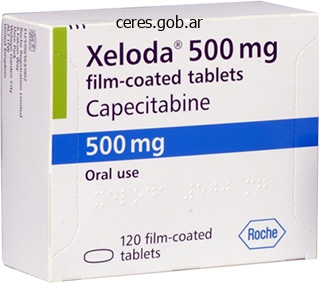
General Information about Xeloda
So, who can benefit from Xeloda? It is specifically approved to be used in women with breast cancer that has unfold to other parts of the body (metastatic) and has not responded to other forms of chemotherapy. It can be utilized in combination with other medication for the treatment of earlier stages of breast most cancers after surgery or in those who usually are not candidates for surgical procedure.
Breast most cancers is amongst the mostly identified cancers in girls all over the world. Fortunately, with advances in medical remedies, the survival charges have significantly improved in current years. However, there are still cases the place the cancer becomes immune to the first-line therapies, leaving limited options for patients. This is the place Xeloda (Capecitabine) comes into play – a promising various for women with breast cancer that is immune to other medicine.
One of the significant advantages of Xeloda is its effectiveness towards several sorts of breast cancer, together with these that are HER2 optimistic, which is a sort of aggressive breast most cancers. This makes it a flexible choice for many sufferers whose cancer has not responded to different remedies.
Xeloda is a well-tolerated drug in most patients, supplied they comply with their doctor’s directions rigorously. The dosage and schedule may range relying on the affected person's general health and the stage of cancer. Patients are often suggested to take Xeloda twice a day for two weeks, adopted by a week of relaxation. This cycle is repeated till the remedy is full. Adhering to this schedule is crucial for the drug to be efficient.
Another benefit of Xeloda is its comparatively low danger of severe unwanted effects in comparability with conventional chemotherapy medication. The most typical unwanted side effects embody nausea, vomiting, and diarrhea, however these could be managed with medication. It is also less prone to trigger hair loss, a typical aspect impact associated with different chemotherapy medicine.
Although Xeloda has shown promising leads to treating resistant breast cancer, it's not without its drawbacks. As with any chemotherapy, it might weaken the immune system, making sufferers more susceptible to infections. It can also be not recommended for pregnant or breastfeeding girls.
In conclusion, Xeloda is a priceless treatment possibility for girls with breast most cancers that is proof against different drugs. Its oral administration, effectiveness towards several sorts of breast most cancers, and relatively low risk of severe side effects make it a gorgeous choice for a lot of patients. It is important to note that Xeloda will not be suitable for each case, and a doctor's evaluation is important to determine probably the most acceptable remedy plan. With continued analysis and advancements in medical remedies, we will hope for extra promising options like Xeloda for those affected by breast cancer.
Xeloda is a kind of chemotherapy drug often known as an oral fluoropyrimidine. It works by concentrating on and killing quickly dividing cancer cells, preventing them from multiplying and spreading. Unlike traditional chemotherapy that requires intravenous administration, Xeloda comes in the form of a pill. This comfort permits sufferers to take the treatment at residence, avoiding the necessity for frequent hospital visits.
Marked restriction of dietary protein (spe cifically leucine) may prevent attacks of ketoacidosis and permit relatively good psychomotor development. The most important of these are metht;lmalonic acidemia, iso valeric acidemia, beta-keto acidemia, and lactic acidemia. Rare subtypes of methylmalonic A number of other ketotic acidurias also occur in infancy. A detailed account of these inherited hyperammonemic syndromes is contained in the review by Brusilow and Horwich. Their clinical manifestations are a common expression of an accumulation of amm onia or of urea cycle intermediates in the brain; they differ only in severity, in accordance with the degree of complete ness of the enzymatic deficiency and with the age of the affected individual. The one exception is arginase defi ciency, which commonly appears during later childhood as a progressive spastic paraplegia with mental retar dation. Clinically, it has been convenient to divide the hyperamm onemias into two groups-one that presents in the neonatal period and another that becomes evident in the weeks or months thereafter. This division is some what artificial, the clinical presentation being more in the nature of a continuous spectrum governed by the bio logic factors mentioned above and even extending to rare cases that have their first symptoms during adulthood. The enzymatic defect of isovaleric acidemia also has been demonstrated in and in a persistent form in mitochondrial encephalopathies (Leigh disease), as described further on in this chapter. A separate and rare deficiency of aromatic L-amino recurrent form of episodic cerebellar ataxia and athetosis acid decarboxylase has been described; the chemical signature is low levels of almost all catecholarnines.
Xeloda Dosage and Price
Xeloda 500mg
- 10 pills - $162.03
- 20 pills - $280.86
- 30 pills - $399.68
- 40 pills - $518.50
